
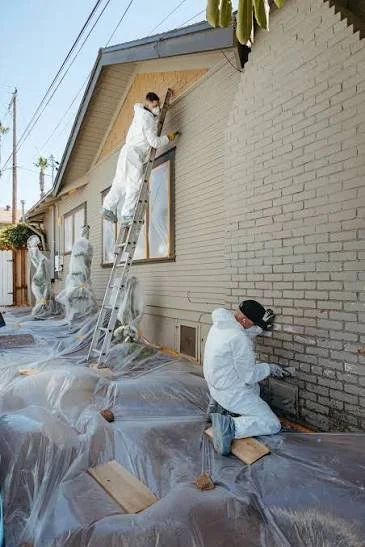
Exterior paint on a Chicago home works hard: it’s battling 100+ freeze-thaw cycles a year, lake-effect winds, road salt, and harsh summer sun. Knowing the signs your home needs exterior painting in Chicago helps you avoid expensive repairs and plan your project on your terms, not in an emergency. This guide walks you through what to look for, how often to repaint, and when it’s time to call in a professional crew.
We’ll connect what you see on your siding, trim, and brick to what’s actually happening underneath. Along the way, you’ll get a simple 10-minute checklist, a “cosmetic vs serious” cheat sheet, and a clear sense of how a thoughtful repaint can both protect your house and upgrade its curb appeal in neighborhoods from Logan Square and Lincoln Park to Portage Park and beyond.
Why Exterior Paint Fails Faster in Chicago
Exterior paint fails faster in Chicago because our homes face constant temperature swings, moisture, and UV exposure that break down even good coatings. Those 40-degree spring mood swings, winter salt spray, and hot July sun all work together to crack, peel, and fade your Chicago home exterior paint sooner than in milder cities.
According to the National Weather Service, the Chicago area regularly sees more than 100 freeze-thaw cycles per year, which forces moisture in and out of small cracks in paint and wood, expanding and contracting until the finish gives up. Add in humidity off Lake Michigan, lake-effect snow, and strong summer sun reflecting off sidewalks and brick, and you have a recipe for shorter paint lifespans.
That’s why two identical houses—one in a mild coastal climate, one in Logan Square—age very differently. Here, south- and west-facing walls get hammered by sun and heat, while north sides stay cool and damp, encouraging mildew. Alley-facing walls collect grit, auto exhaust, and salt. A smart exterior painting Chicago plan has to respect those microclimates, not just throw on a single coat and hope for the best.
How Often Should You Repaint a Chicago Home Exterior?
Most Chicago homes need exterior repainting every 5–7 years, with well-prepped premium coatings sometimes lasting 8–12 years. Wood siding and trim are on the shorter end, while quality masonry and fiber cement can comfortably stretch longer between paint jobs.
Industry sources like the American Coatings Association note that climate and prep are the biggest factors in paint lifespan, and Chicago’s climate is about as tough as it gets. Here’s a practical range for Chicago exterior house painting, assuming decent prep and mid- to high-quality products:
Wood siding and trim: about 5–7 years
Fiber cement (like Hardie): about 7–10 years
Stucco: around 7–10 years, depending on hairline cracks
Brick (painted): 8–12 years with breathable products
Chicago’s short outdoor painting season matters, too. As outlined in local climate guides, the most reliable window for exterior painting Chicago projects runs from late May through September, when daytime highs are typically between 50°F and 85°F and surfaces are dry enough for coatings to cure properly. If your last repaint was six or more years ago—or you’ve never repainted since buying—this is the moment to walk your exterior and see what the paint is telling you.
Clear Sign #1: Peeling, Cracking, or Bubbling Paint
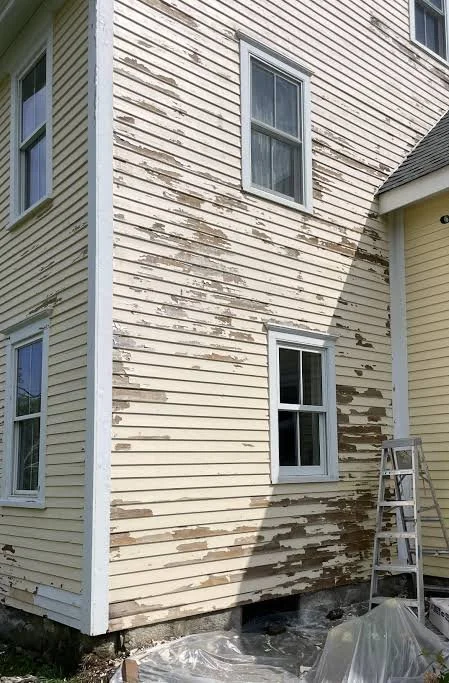
Peeling, cracking, or bubbling paint is a high-urgency sign that your exterior finish is failing and no longer protecting the surface beneath. When paint lets go like this, water can reach the wood or masonry, leading to rot, rust, and much more expensive repairs if you wait.
Peeling and cracking usually start where water and sun hit hardest. In Chicago, that often means:
Bottom edges of wood siding and trim on south and west exposures
Horizontal trim boards, window sills, and porch railings
Alley-facing garage doors and trim battered by salt and slush
Old porch ceilings where moisture lingers
Bubbling or blistering paint happens when moisture or vapor pressure pushes the coating away from the surface, or when paint was applied over a damp or hot wall. On Chicago homes, you’ll often see bubbles under eaves near ice damming spots or on darker colors applied in full sun.
Once you see more than isolated peeling chips, you’ve moved from “cosmetic” to “protective failure.” Repainting over actively peeling paint without proper scraping, sanding, and spot-priming doesn’t fix the problem; it just hides it for a season. If you spot significant peeling on your Chicago home exterior paint—especially around windows, door trim, and deck railings—it’s time to plan an exterior painting Chicago project before the next winter makes things worse.
Clear Sign #2: Fading, Chalking, and Tired Color
Color that’s noticeably faded, dull, or leaving a powdery residue on your fingers is a sign the top layer of your paint is breaking down. While light fading can start as a cosmetic issue, heavy fading and chalking mean the coating is thinning and your siding’s UV and moisture protection is wearing away.
Fading shows up fastest on south- and west-facing elevations, especially on deeper colors like navy, charcoal, forest green, or rich reds. In neighborhoods like Lincoln Park or West Town, dark-painted brick and siding facing broad streets and open lots tend to wash out faster than narrow side yards shaded by neighbors.
Chalking is that white, dusty film that comes off when you rub the paint with your hand. The American Coatings Association defines it as the formation of fine powder on the surface as the binder deteriorates under sunlight. A little chalking on older paint is normal, but heavy chalking—where your hand looks like you grabbed sidewalk chalk—signals it’s time to repaint.
Here’s where Chicago home exterior paint gets interesting: color isn’t just looks. A fresh, intentional color scheme can brighten a classic brick bungalow in Portage Park, highlight original trim on a Ravenswood two-flat, or modernize a mixed-use storefront while still fitting the block. When you’re planning exterior painting Chicago work, it’s smart to address both the fading protection and the opportunity to choose colors that feel good in bright July sun and gray February skies alike.
Clear Sign #3: Moisture Trouble, Rot, and Failing Caulk
Moisture-related issues—stains, mildew, soft spots, and cracked caulk—are high-priority warnings that water is getting where it shouldn’t. In Chicago’s freeze-thaw environment, small moisture problems can turn into big structural headaches if left alone.
On Chicago exteriors, keep an eye out for:
Dark stains or streaks under windows, gutters, or rooflines
Mildew or algae, especially on the shaded north side of the house
Soft, spongy wood at the bottom of door frames, trim, or porch posts
Cracked or missing caulk around windows, doors, and trim joints
Moisture plus time equals rot. Once wood trim or siding starts to decay, a simple repaint can turn into carpentry replacement, which drives up costs significantly. Many painting and building sources note that water intrusion is a leading cause of premature siding failure; the U.S. Department of Energy emphasizes that sealing gaps and cracks around windows and doors is critical to keeping moisture and air out.
This is why failing caulk belongs in the “serious sign” category. When those thin white lines around your window and door trim split, pull away, or disappear completely, wind-driven rain from a Chicago thunderstorm or lake-effect snow can get behind the paint film. If you push on the wood and it feels soft, crumbles, or your screwdriver sinks in, it’s no longer just an appearance issue—it’s a repair job you don’t want to postpone.
Quick Chicago Exterior Check: 10-Minute Walk-Around Checklist
You can spot most early exterior paint problems on your Chicago home with a simple 10-minute walk-around. Use this once or twice a year—ideally in late spring and early fall—to catch issues before they turn into expensive repairs.
10-minute Chicago exterior checklist:
Walk the south and west sides first. Look for peeling, cracking, or obvious fading on siding, trim, and doors where sun hits hardest.
Check north-facing walls and shaded areas for mildew or algae (dark or greenish patches), especially near downspouts and behind bushes.
Inspect window sills, door frames, and porch posts. Press gently with your thumb or a key to test for soft or crumbly wood.
Look closely at caulk lines around windows, doors, and trim joints. Note any gaps, splitting, or areas where caulk has pulled away.
Rub your fingers on a few sunny-wall areas. If you get a heavy, powdery residue, chalking is significant.
Glance up at soffits and fascia near gutters. Watch for stains, peeling, or warping that might point to gutter or roof leaks.
To help you decide what to do next, here’s a simple “signs vs urgency” guide:
Light, even fading, minor chalking, no bare spots. Urgency: you can watch this. Plan for repainting in 1 to 2 years, and recheck next season.
Localized peeling or small cracked caulk areas. Urgency: plan soon. Schedule an exterior evaluation and budget for painting within 6 to 12 months.
Widespread peeling, bubbling, or exposed bare wood or metal. Urgency: call now. Request estimates for full prep and repaint before next winter.
Soft or rotten wood, heavy mildew, or water stains. Urgency: call now. Get a Chicago painting contractor or carpenter to assess repairs plus repainting.
Outdated or mismatched colors but solid paint film. Urgency: flexible. Consider repainting for curb appeal, especially before listing your home.
If your quick check turns up two or more “call now” items, it’s worth snapping a few photos and reaching out to a trusted exterior painting Chicago team for a no-pressure walk-through and clear game plan.
When to Call a Pro (and How a Good Chicago Painter Approaches Exteriors)
You should call a professional Chicago painting contractor when you see widespread peeling, bubbling, wood rot, or failing caulk—or if your last full repaint was 7–10 years ago and you’re unsure what’s happening. A thorough pro doesn’t just repaint; they diagnose the causes, repair damage, and help you choose colors that work with Chicago’s light and architecture.
For most homeowners, the real value of hiring exterior painters in Chicago is in the details you can’t easily DIY:
Identifying hidden moisture issues behind peeling paint and stains
Replacing or repairing rotted trim, sills, and porch components
Choosing the right primers and topcoats for wood, brick, stucco, or fiber cement
Respecting Chicago’s short painting season and working around weather windows
Navigating historic or landmark color guidelines where they apply
A solid exterior painting Chicago process typically looks like this:
On-site consultation – Walk your exterior together, review your checklist notes, and talk through priorities, timing, and budget.
Detailed proposal – Outline prep (scraping, sanding, caulking), repairs, products, color plan, and schedule.
Color and finish decisions – Dial in a palette that fits your specific Chicago block, light, and architecture—from bungalows to greystones and two-flats.
Prep and repairs – Address peeling paint, damaged wood, and failing caulk so the new coating actually lasts.
Painting and cleanup – Apply coatings within manufacturer specs for temperature and humidity, then leave your property clean and ready to enjoy.
If your DIY checklist has you feeling uncertain, you don’t have to know exactly which service you need. Sharing what you’re seeing and how long it’s been since your last Chicago exterior house painting job is enough for a good contractor to guide you toward the right level of work—whether that’s targeted repairs or a full repaint.
FAQs: Chicago Exterior Painting & Timing
These quick answers cover the most common questions homeowners have about signs, timing, and planning exterior painting in Chicago.
How often should you repaint a house exterior in Chicago?
Most Chicago homes need a full exterior repaint every 5–7 years, with some well-prepped, high-quality systems lasting up to 8–12 years on masonry and fiber cement. Wood siding and trim usually land on the shorter end because they absorb more moisture and move more with temperature swings. If you’re past the seven-year mark, it’s smart to do a careful walk-around and, if needed, get a professional opinion.
What time of year is best for exterior painting in Chicago?
The best time of year for exterior painting Chicago projects is typically late May through June, with July and August also good when heat and storms cooperate. Most paint manufacturers recommend application when temperatures stay above about 50°F and surfaces are dry, so early fall can work too if nights don’t get too cold. Because that window is short and weather-dependent, many homeowners book their Chicago painting contractor months ahead.
Is peeling paint an emergency or can it wait?
Small, isolated peeling spots you can count on one hand are usually not an emergency, but they are a sign to plan painting within the next year. Widespread peeling, bubbling, or exposed bare wood or metal is higher urgency because it allows water into the structure; in Chicago’s freeze-thaw climate, that can quickly lead to rot or rust. If you can see the substrate in multiple areas, treat it as a “call now” situation rather than waiting another winter.
Can I just touch up the worst spots instead of repainting everything?
You can spot-repair small areas if most of your paint film is sound and the color match is close, but touch-ups are a short-term strategy. On older Chicago home exteriors, sun and weather have already changed the original color, so new paint may flash or stand out. If you’re seeing multiple problem zones on different sides of the house—or if the last full exterior painting Chicago project was many years ago—a complete repaint usually gives better protection and a more even, attractive look.
Do I need a permit to change my exterior paint color in Chicago?
Most Chicago homeowners do not need a permit just to change exterior paint color on standard residential properties. However, if your home is in a designated landmark district or is itself a landmark, the City of Chicago Landmarks Commission may need to review color changes to ensure they fit historic guidelines. When you’re planning exterior painting Chicago work on a greystone or historic façade, it’s wise to confirm your property’s status or work with a contractor familiar with landmark rules.
Finally, if you’re trying to understand typical project budgets, many Chicago cost guides note that exterior house painting in the city often ranges from around 4,000–8,000 $ or 2,50–4,00 $ per square foot for an average home, depending on size, condition, and complexity, based on recent data summarized by tools like Facade Colorizer’s Chicago cost guide. Those are not quotes, just ballpark numbers to help with early planning.
If your own 10-minute walk-around revealed fading, chalking, peeling, or moisture issues on your Chicago home exterior paint, using the signs and tables in this guide can help you decide whether it’s time to watch, plan soon, or call a professional exterior painting Chicago team to protect your home before the next winter rolls through.