
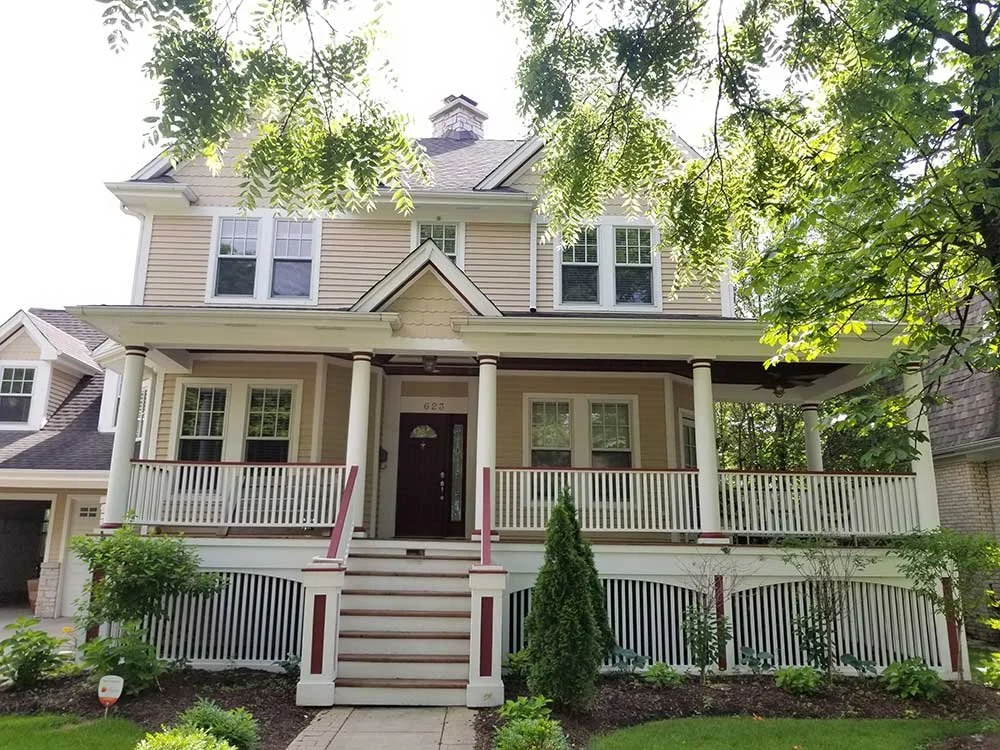
If you own a home or small commercial building in Chicago, you should expect to repaint the exterior roughly every 5–10 years, depending on your siding, exposure, and how well the last job was done. Chicago’s freeze-thaw cycles, lake-effect moisture, and big temperature swings are harder on paint than in many other parts of the country, so staying ahead of peeling and cracking really matters.
This guide breaks down how often you should repaint different exterior materials in Chicago, how local weather changes the timeline, the signs it’s time to repaint, and the best seasons to schedule the work. Along the way, you’ll see how choosing quality exterior painting in Chicago can protect your home and boost curb appeal for years instead of just a couple of seasons.
Why Exterior Paint in Chicago Doesn’t Last Forever
Most Chicago homes and small buildings need a new exterior paint job about every 7–10 years, with some wood surfaces needing attention closer to 5–7 years. That range lines up with national guidance that exterior paint typically lasts between 5 and 10 years depending on material, climate, and prep quality, as outlined by homeowner-focused sites like Bob Vila and WOW 1 DAY Painting.
In Chicago, that theoretical lifespan gets trimmed by winter ice, spring storms, and hot, sunny summers. If the last paint job was rushed, used bargain-grade paint, or skipped proper scraping and priming, you might see peeling in just a few years. On the flip side, high-quality prep and premium paint can comfortably push you toward the longer end of the range.
For many owners, the real question isn’t just “how often should you repaint your home exterior,” but “how do I know it’s time before there’s expensive damage?” The rest of this guide gives you a simple, Chicago-specific framework so you can plan your exterior house painting in Chicago instead of scrambling when boards start rotting or masonry starts absorbing water.
Quick Answer: How Often to Repaint Your Home Exterior in Chicago
In Chicago, most homeowners should plan to repaint their exterior about every 7–10 years, with more vulnerable materials and exposures needing fresh paint closer to 5–7 years. That timeline assumes decent prep, good-quality paint, and normal wear from Chicago’s climate.
Here’s a simple cheat sheet for how often to paint a house exterior in Chicago, based on common siding types and national lifespan ranges adapted to a harsher Midwest climate using guidance from sources like WOW 1 DAY Painting and Gonzalez Painting & Restoration:
Wood siding or trim typically needs a repaint every 5 to 7 years in Chicago, sometimes sooner on south and west walls.
Stucco holds up for about 5 to 7 years.
Fiber cement (for example, Hardie) lasts around 10 to 15 years.
Painted brick can go 12 to 15 or more years with high-end paint.
Aluminum siding tends to last 10 to 15 years.
Vinyl siding (painted) lasts about 8 to 10 years, depending on color and sun exposure.
Think of these as planning ranges, not hard rules. A south-facing wood porch in Lakeview will age faster than a shaded fiber-cement two-flat in Andersonville. Chicago home exterior painting schedules also shift if you inherited an older, failing paint system versus a recently upgraded one. Use this table as your baseline, then layer in the warning signs and weather factors in the next sections.
What Chicago Weather Does to Exterior Paint
Chicago weather shortens paint life by constantly expanding and contracting your siding, soaking it with moisture, and blasting it with UV on exposed sides. Those forces break down both the paint film and the surfaces underneath, which is why exterior painting in Chicago has to account for climate much more than in milder regions.
Here’s what’s going on outside your walls:
Freeze-thaw cycles: A freeze-thaw cycle is when temperatures swing above and below freezing so moisture repeatedly expands and contracts inside surfaces. According to the National Weather Service Chicago office, the area often sees wide winter swings, which puts pressure on paint films and caulk lines.
Lake-effect moisture: Proximity to Lake Michigan boosts humidity and can bring frequent rain and snow bands. More moisture against your siding means more chances for water intrusion if paint or caulk are failing.
UV on south and west walls: South- and west-facing walls get the strongest sun, which breaks down pigments and binders over time. That’s why darker colors on those sides may fade and chalk faster.
Temperature swings: Chicago can see everything from subzero cold to 90°F+ in a single year. Those swings cause wood and some masonry to expand and contract, stressing paint films and accelerating cracking.
Industry guidance from brands like Sherwin-Williams and Benjamin Moore consistently notes that harsh climates reduce paint life compared with mild coastal or Southern regions. That’s why an exterior painting schedule for Chicago homeowners should lean toward the shorter end of “typical” intervals, especially on wood, stucco, and sun-exposed walls.
Five Signs It’s Time to Repaint Before Damage Sets In
The most reliable way to decide how often you should repaint a house in Chicago is to watch the surfaces themselves. When you start seeing the early warning signs, it’s time to plan exterior house painting in Chicago before water damage or rot kicks in.
Look for these five common red flags:
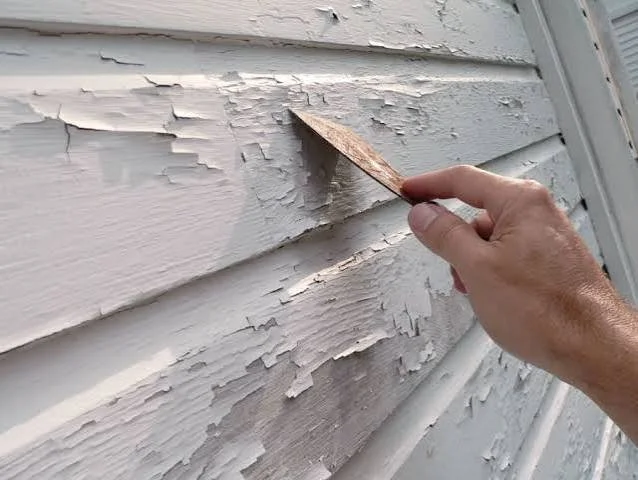
Peeling, cracking, or flaking paint: Once the paint film lifts or splits, water can reach the substrate. On wood, this can quickly lead to soft spots and rot; on masonry, it can lead to efflorescence and spalling.
Chalking: Chalking is a powdery residue you can wipe off with your hand. It means the paint’s binders are breaking down under UV exposure. Some light chalking is normal with age, but heavy chalking signals it’s time to refresh.
Fading or blotchy color: Severe fading, especially uneven patches on sun-exposed sides, shows that the coating is losing protection. Dark, trendy colors on Chicago façades can fade noticeably in just a few hot summers if the paint quality is low.
Cracked or missing caulk: Caulk around windows, doors, and trim seals the gaps. When it splits or pulls away, water can sneak behind your paint system even if the paint itself still looks okay from a distance.
Soft, warped, or stained areas: If wood feels spongy or masonry shows dark moisture staining, the protective system has already been compromised. At that point, repainting is as much about repair as it is about aesthetics.
Use this simple three-step annual check to stay ahead:
Walk around: Once a year—ideally in early spring—walk the entire perimeter, including alley and yard sides, and really look at the siding, trim, windows, and doors.
Touch-test: Run your hand over suspicious areas; if paint flakes, powder comes off, or wood feels soft, note those spots.
Decide on timing: If you see more than a few small trouble spots, it’s time to schedule Chicago home exterior painting for the upcoming warm season, before problems spread.
This kind of quick inspection is especially important for older Chicago bungalows, wood-trimmed greystones, and mixed-material storefronts where different surfaces age at different speeds.
How Siding, Prep, and Paint Quality Change Your Timeline
Two houses on the same Chicago block can have totally different repaint schedules based on what they’re made of and how the last job was done. Understanding those variables can help you decide how often to repaint and whether it’s worth investing in higher-end exterior painting in Chicago.
Key factors to keep in mind:
Siding material: Wood siding and trim move the most with temperature and moisture, which is why guidance from sources like WOW 1 DAY Painting suggests repainting wood every 3–7 years. In Chicago’s climate, aiming for 5–7 years is realistic. Fiber cement, aluminum, and painted brick are more stable, so they can often stretch to 10–15 years with premium coatings.
Prep quality: Proper scraping, sanding glossy or failing areas, priming bare spots, and fixing minor carpentry or masonry issues add years to a paint job. Skipping these steps is one of the main reasons people see chipping or peeling in just a couple of seasons.
Paint quality and sheen: High-quality exterior paints from major manufacturers typically include more durable resins and UV-resistant pigments. Industry guidance from Sherwin-Williams and Benjamin Moore notes that better products can significantly extend service life, especially when paired with proper surface prep. Satin and low-sheen finishes often balance appearance with durability on siding.
Color and exposure: Very dark colors absorb more heat and can age faster on south- and west-facing Chicago façades. Lighter, more reflective colors may fade more gracefully and show imperfections less, which can stretch the time before your exterior looks “tired.”
To make this concrete, imagine three Chicago properties:
A wood-sided bungalow in Portage Park with lots of decorative trim might need repainting every 5–7 years, especially on its sunny sides.
A painted-brick three-flat in Logan Square could easily go 12–15 years between full repaints if high-end masonry paint was used.
A small aluminum-sided storefront on a busy commercial street may land in the 8–12 year range, but might get repainted sooner for branding and curb-appeal reasons.
All of them benefit when the owner treats repainting as a planned part of property care instead of an emergency project once surfaces already look rough.
Best Time of Year to Repaint in Chicago – And How to Plan Ahead
The best time of year to schedule exterior painting in Chicago is typically from late spring through early fall, when daytime temperatures and overnight lows stay within manufacturers’ recommended ranges and surfaces can dry properly. Most major paint brands advise applying exterior coatings when temperatures are between about 50°F and 90°F and when surfaces are dry, as noted by Sherwin-Williams temperature guidelines.
In practical Chicago terms, that usually means:
May through September as the core painting window, with some years allowing work in late April or into October if the weather cooperates.
Avoiding cold snaps: Many exterior paints need the temperature to stay above a minimum for 24 hours after application. When nights dip too low, adhesion and curing can suffer.
Watching humidity and rain: High humidity and frequent rain off the lake can slow drying and cause problems if surfaces don’t get enough time to shed moisture.
Because the painting window is relatively short, it helps to think one season ahead. Use this simple three-step planning process:
Inspect in early spring: Do your annual walk-around as soon as snow is gone and you can see the whole exterior clearly.
Plan your scope: Decide if you need a full repaint, just trim and details, or minor touch-ups to stretch an existing paint job.
Book with lead time: Reputable exterior painters in Chicago fill their calendars quickly for late spring and early summer. Reaching out in March or April gives you better date options and time to choose colors.
This timing matters for both single-family homes and small commercial properties that want to avoid painting during their busiest customer seasons or while tenants are moving in and out.
FAQ & When to Call a Pro for Exterior Painting Chicago
If you’re still on the fence about timing, these quick answers to common questions about exterior painting in Chicago can help you decide your next move.
How often should the exterior of a house be repainted in Chicago?
Most Chicago houses should be repainted every 7–10 years, with wood and stucco often closer to 5–7 years and more stable materials like fiber cement and painted brick reaching 10–15 years. That range is in line with national advice that exterior paint typically lasts about 5–10 years overall, as noted by Bob Vila, but Chicago’s climate tends to push homes toward the shorter end if prep and products are not top-notch.
Is October too late to paint outside in Chicago?
October can sometimes work for Chicago home exterior painting, but it’s risky and very weather-dependent. If daytime highs and overnight lows stay within the manufacturer’s temperature range and rain is minimal, a high-quality exterior paint designed for cooler temperatures can still cure properly, as long as you follow guidance like the Sherwin-Williams cold-weather painting tips. Many homeowners prefer to schedule earlier in the season so they’re not racing the first hard frost.
What is the best time of year to paint the outside of a house in Chicago?
The best time of year for exterior house painting in Chicago is generally late May through September, when temperatures and moisture levels are most consistent. That window aligns with paint manufacturer recommendations for warm, dry conditions and also gives you more flexibility to reschedule if a stretch of rain, heat, or unexpected cold pops up.
How long does exterior paint last on wood siding in Chicago?
On wood siding and trim in Chicago, a well-prepped, properly primed job with quality paint will often last about 5–7 years before it needs a full repaint. Industry ranges for wood exteriors are typically 3–7 years in challenging climates, as mentioned by sources like Gonzalez Painting & Restoration, so planning for the middle-to-longer end of that spectrum—with good maintenance—tends to work well here.
How can I make exterior paint last longer on my Chicago home?
You can extend the life of your Chicago home exterior painting by fixing small issues quickly and keeping surfaces clean. Simple habits like washing off heavy dirt and mildew every couple of years, recaulking failing joints, and touching up high-wear spots (like porch railings and trim) help push you toward the upper end of that 7–10 year repaint window described in homeowner resources such as WOW 1 DAY Painting’s exterior lifespan guide.
When your own walk-around inspection shows multiple warning signs—peeling paint, heavy chalking, cracked caulk, or soft wood—it’s usually more cost-effective to bring in experienced exterior painters in Chicago rather than trying to spot-fix everything yourself. A professional crew that understands Chicago climate, local housing styles, and design trends can recommend colors that fit your neighborhood, prep surfaces thoroughly, and apply coatings that stand up to years of Midwest weather.
If you’re looking at your siding and wondering whether you can get one more season out of it, or it’s clearly time for a full refresh, reaching out for a detailed exterior painting schedule and estimate can turn that “maybe I should repaint soon” thought into a clear plan that protects your home and keeps it looking sharp for the long run.