
When you search for house painters in Chicago, you’re really asking one thing: what do professional painters actually do that a DIY weekend can’t match? The difference isn’t just straighter lines – it’s planning, prep, and systems that change how long your paint job looks good and how stress‑free the whole project feels.
This guide walks through what professional house painters in Chicago do differently step‑by‑step, where DIY can work, and when it pays to bring in a Chicago painting contractor who treats your home like a project, not a chore. Along the way, you’ll see how Chicago’s climate, housing stock, and tight condo rules make pro help more valuable than most people realize.
Why Professional “House Painters Chicago” Work Looks So Different From DIY
Professional house painters in Chicago follow a repeatable process, use better materials, and plan every detail before they ever open a can of paint. That’s why their projects usually look smoother on day one and still fresh years later. DIY projects often skip hidden steps that don’t feel “like painting” but make or break the result.
Across the U.S., painting is a full‑time trade: the U.S. Bureau of Labor Statistics reports more than 230,000 people employed as painters, with years spent learning how surfaces behave, how products age, and how to solve problems that most homeowners only see once or twice in their lives. In Chicago, that skill has to adapt to older plaster in greystones, tall stairwells in Lincoln Park two‑flats, and condo associations in the West Loop that want common areas finished on tight timelines.
So when you compare a professional paint job vs a DIY finish, you’re not just comparing who can roll paint. You’re comparing a team that estimates drying times based on humidity, selects primers for brick versus drywall, and sequences rooms so your family can still live in the space. That’s the real difference behind the clean lines you notice first.
The Professional Process: How Chicago House Painters Prep Before Painting
Professional house painters in Chicago spend more time on prep than most homeowners spend on the entire project. That prep is what stops peeling, flashing, and patch lines from showing up a few months after the paint dries.
In a typical Chicago home, the pro prep process looks like this:
Detailed walkthrough to note cracks, nail pops, stains, and prior paint failures.
Repairs: scraping loose paint, skim‑coating rough plaster, filling gaps, and caulking trim.
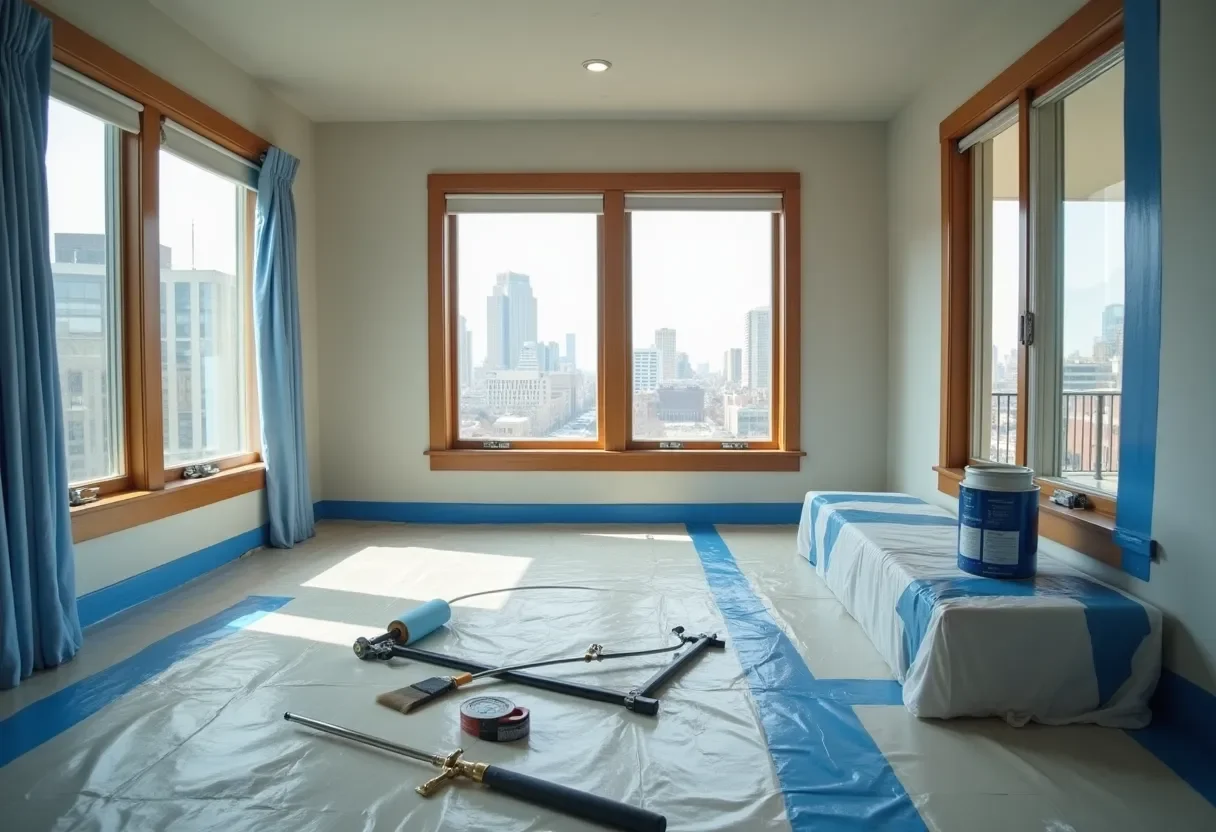
Protection: covering floors, taping off baseboards and windows, and masking fixtures.
Priming: using the right primer for patched areas, glossy trim, or stained ceilings.
Final checks: touching each wall and corner before any color goes on.
Older Chicago housing stock makes this even more important. Many brick two‑flats in neighborhoods like Logan Square or Lakeview still have original plaster that cracks differently from modern drywall. Some pre‑1978 homes may have lead paint; the EPA’s Renovation, Repair and Painting (RRP) rules require specific containment and cleanup practices that most DIYers never learn.
Interior house painters in Chicago also have to work around condo rules: limited working hours, required floor protection in hallways, and strict elevator use policies. Professional painting services in Chicago build those logistics into the plan so you’re not arguing with your HOA mid‑project. By the time paint hits the wall, a lot of invisible work has already made the job safer, cleaner, and more durable.
Tools, Products, and Techniques Pros Use for a Longer‑Lasting Finish
Professional house painters in Chicago use commercial‑grade tools and paints chosen for our freeze‑thaw cycles, humidity swings, and intense sun on south‑facing brick. Those choices change how your paint looks today and how it holds up three Chicago winters from now.
Here’s a simple comparison of DIY vs professional setups you’ll see across Chicago home painting projects:
Paint quality. Typical DIY uses big-box mid-range paint. A professional Chicago painter uses premium lines matched to the surface and climate.
Tools. DIY usually means a single roller and a basic brush. A pro brings multiple nap rollers, angled sash brushes, sprayers, and extenders.
Prep products. DIY relies on all-purpose spackle and generic caulk. A pro uses elastic caulks, specialty primers, and plaster repair systems.
Application. DIY tends to be rolling in any direction with one or two coats "until it looks good." A pro back-rolls, keeps consistent cut lines, and measures coverage per gallon.
Durability. DIY often needs touch-ups in 2 to 3 years. Properly done professional exteriors can last 7 to 10 or more years depending on exposure.
Exterior house painters in Chicago, in particular, lean on products that handle moisture and temperature extremes. The National Association of Home Builders notes that exterior paint can last up to 15 years in ideal conditions, but our city’s constant freeze‑thaw and lakefront winds shorten that life if cheaper coatings are used or surfaces aren’t sealed correctly.
Technique matters just as much. Pros maintain a “wet edge” to avoid lap marks, back‑roll after spraying on rough siding for better penetration, and adjust sheen (eggshell vs satin vs semi‑gloss) for washability and light reflection. These details feel small while someone is working but add up to that glass‑smooth wall you see in finished photos.
Color Mastery: How Pros Use Paint to Shape the Feel of a Chicago Home
Professional house painters don’t just apply color; they help you choose it so your rooms feel intentional and cohesive. In Chicago, that means working with limited natural light in some condos, warm brick exteriors, and changing daylight from long summer nights to early winter sunsets.
Many homeowners know that color affects mood, but most underestimate how much context matters. Paint manufacturers like Sherwin‑Williams have found in homeowner research that color choice is one of the top stress points when people plan projects, and nearly half of surveyed homeowners say they’re unsure which colors will actually look good once applied ([summary of findings](https://www.sherwin-williams.com/en-us/pro/painting-contractor/business-tools-resources/customer-research)). That’s where a trained eye helps.
Here are a few ways professional interior house painters in Chicago use color differently:
They test swatches on multiple walls to see how Lakeview’s north light vs West Loop’s west light shifts a color.
They coordinate undertones with existing finishes: warm greys with red brick, cooler tones with modern concrete and steel.
They plan “flow” so adjacent rooms in an open‑concept condo feel connected, not like a patchwork of trend colors.
They use sheen strategically: matte to hide old plaster flaws in a Logan Square flat, satin for wipeable kitchen walls, semi‑gloss on trim for contrast.
On exteriors, color mastery has to respect Chicago architecture. A Lincoln Park greystone asks for a different palette than a modern West Town townhouse. Exterior house painters in Chicago can guide you away from colors that will fade faster on sunny exposures or clash with neighboring buildings and even help you check with historic district guidelines when needed.
That intentional color planning is a big part of what separates professional painting services in Chicago from a quick DIY refresh picked from a store’s top‑10 wall.
DIY vs Pro in Chicago: When You Can Roll Yourself and When to Call House Painters
In Chicago, DIY painting makes sense for small, low‑risk projects, but complex surfaces, older homes, and tight timelines are where hiring house painters in Chicago usually wins on cost, stress, and safety. The key is knowing which bucket your project falls into.
Here’s a quick framework you can use:
Project size: One bedroom or a small office? DIY is realistic. Whole‑home repaints or multi‑story exteriors usually favor pros.
Height & access: Anything requiring tall ladders, stairwells, or roofline work is safer for a Chicago painting contractor with the right gear and insurance.
Age of home: Pre‑1978 exteriors or trim may contain lead. In those cases, EPA‑certified residential painters in Chicago are the safer choice.
Timeline: If you need an apartment flipped between tenants or a condo done before move‑in, a crew can do in days what might take you weeks of evenings.
Finish expectations: If you’re okay with minor roller marks in a basement, DIY works. If it’s a Hyde Park living room or a Lakeview kitchen you use every day, a professional finish pays off.
Cost is where many people hesitate. Industry data from sites like HomeAdvisor and Angi (aggregated nationally) suggests interior professional painting often falls around $2–$3.50 per square foot, with exteriors ranging higher depending on height and condition. Chicago interior painting cost per square foot tends to land in the middle or upper end of those ranges thanks to labor and building access factors.
When you factor in your own time, tool purchases, extra paint from trial‑and‑error, and potential fixes, many homeowners find that for anything beyond a room or two, professional house painters in Chicago are actually cheaper in the long run than a drawn‑out DIY experiment.
What to Expect From a Professional House Painter in Chicago (Checklist)
A solid professional house painter in Chicago should follow a clear process from estimate to final walkthrough. If you’re not seeing most of the behaviors below, keep getting quotes.
Here’s a practical checklist you can use when you talk with any Chicago painting contractor:
Clear, written estimate that breaks out labor, materials, prep, number of coats, and what’s excluded.
Proof of insurance (liability and workers’ comp) and, for older homes, confirmation of EPA lead‑safe certification.
Defined prep scope: which surfaces they’ll repair, how they’ll handle sanding and dust control, and who moves what.
Product details: specific paint brands and lines, sheens, and primers they recommend for your Chicago home painting project.
Schedule & access plan that respects condo rules, elevator bookings, and quiet hours if you’re in buildings around the West Loop or downtown.
Daily cleanup: how they’ll protect floors, where tools will be stored, and when spaces will be usable each day.
Final walkthrough with a punch‑list so you can flag touch‑ups before the crew leaves.
Professional house painters in Chicago who work primarily in residential settings know that communication is as important as craftsmanship. They’ll talk through parking and loading docks, pets, kids’ nap times, and even how paint fumes will be managed with ventilation and low‑VOC products. The goal is not just a better finish, but a smoother experience from start to finish.
As you compare residential painters in Chicago, use this checklist as your baseline. The teams that naturally check all these boxes are the ones most likely to deliver the kind of result you were hoping for when you searched for house painters Chicago in the first place.

Quick Look: Professional Painter vs DIY in Chicago
If you’re still torn between grabbing a roller and calling in help, this simple comparison sums up the trade‑offs most Chicago homeowners face.
Upfront cost. DIY painting means a lower cash outlay, but you're buying all the tools and extra paint. Professional painters send a higher invoice, though materials, tools, and labor are all included.
Time. DIY eats up evenings and weekends over several weeks. A dedicated crew finishes the job in days.
Finish quality. DIY is acceptable for low-visibility spaces. Pros deliver consistent, sharp lines and smooth walls.
Durability. DIY usually means more touch-ups, especially on trim and exteriors. Professional work gives you longer repaint cycles thanks to proper prep and products.
Safety and risk. With DIY, you're handling ladders, dust, and potential lead. Professional painters bring an insured crew with safety gear and training.
The right answer often isn’t “always DIY” or “always hire.” Think of professional painters like electricians or roofers: once risk, complexity, or scale goes beyond a certain point, bringing in experienced commercial painters in Chicago or residential specialists tends to save money, time, and headaches.
FAQs: Hiring House Painters in Chicago
How much do professional house painters in Chicago usually cost?
Most interior projects from reputable house painters in Chicago land roughly in the $2–$4 per square foot range for labor and materials, with ceilings, trim, repairs, and high walls adding to the total. Exterior work can run higher per square foot because of height, access equipment, and weather‑related delays, especially on taller two‑flats and older wood siding. Always compare written estimates on the same scope so you’re not just chasing the lowest number.
How long does a typical interior painting project take?
A single room can often be completed in a day by a small crew, while a full Chicago condo or single‑family home interior usually takes two to five days depending on size and how much patching and prep is needed. Professional house painters schedule work to keep disruption low, often finishing common areas first so you can keep using your space.
Do I need to move my own furniture and cover my floors?
Most professional house painters in Chicago will move light furniture, cover pieces that stay in the room, and protect floors with drop cloths or plastic as part of the job. You’ll usually be asked to remove fragile items, artwork, electronics, and personal belongings ahead of time so crews can work efficiently and safely.
Can I stay in my home while painters are working?
Yes, in most cases you can stay in your home during a painting project, especially if low‑ or zero‑VOC paints are used and rooms are done in phases. Professional house painters in Chicago plan the sequence so bedrooms and kitchens remain usable as much as possible and coordinate with you if certain areas need to be off‑limits for a few hours while paint dries.
How often should I repaint my Chicago home’s interior and exterior?
For interiors, many Chicago homeowners repaint high‑use spaces like kitchens, hallways, and family rooms every 5–7 years, while bedrooms can often go longer if colors still feel right. Exteriors depend heavily on exposure and materials; in our climate, a well‑done exterior job might last 7–10 years on protected sides and closer to 5–7 years on sun‑ and weather‑beaten elevations, which is why regular inspections and touch‑ups are so important.
Pulling It Together: Is It Worth Hiring House Painters in Chicago?
When you look behind the scenes, it’s clear that what professional house painters in Chicago do differently isn’t just better gear or straighter tape lines. It’s a full process: detailed prep, climate‑smart products, color planning for Chicago light and architecture, and a project plan that respects your time and space.
If your project is a simple refresh of a small room, rolling it yourself might be exactly the right move. But once you’re dealing with high ceilings, older plaster, exterior siding, or a full‑home update in neighborhoods from Hyde Park to Lincoln Park, partnering with seasoned professional painting services in Chicago usually delivers a better‑looking result that lasts longer and causes fewer headaches along the way.
The next time you type “house painters Chicago” into a search bar, keep this guide nearby. Use the checklists, questions, and comparisons here to choose a painter who works the way professionals should — so your home looks like it was painted on purpose, not just on a free weekend.