
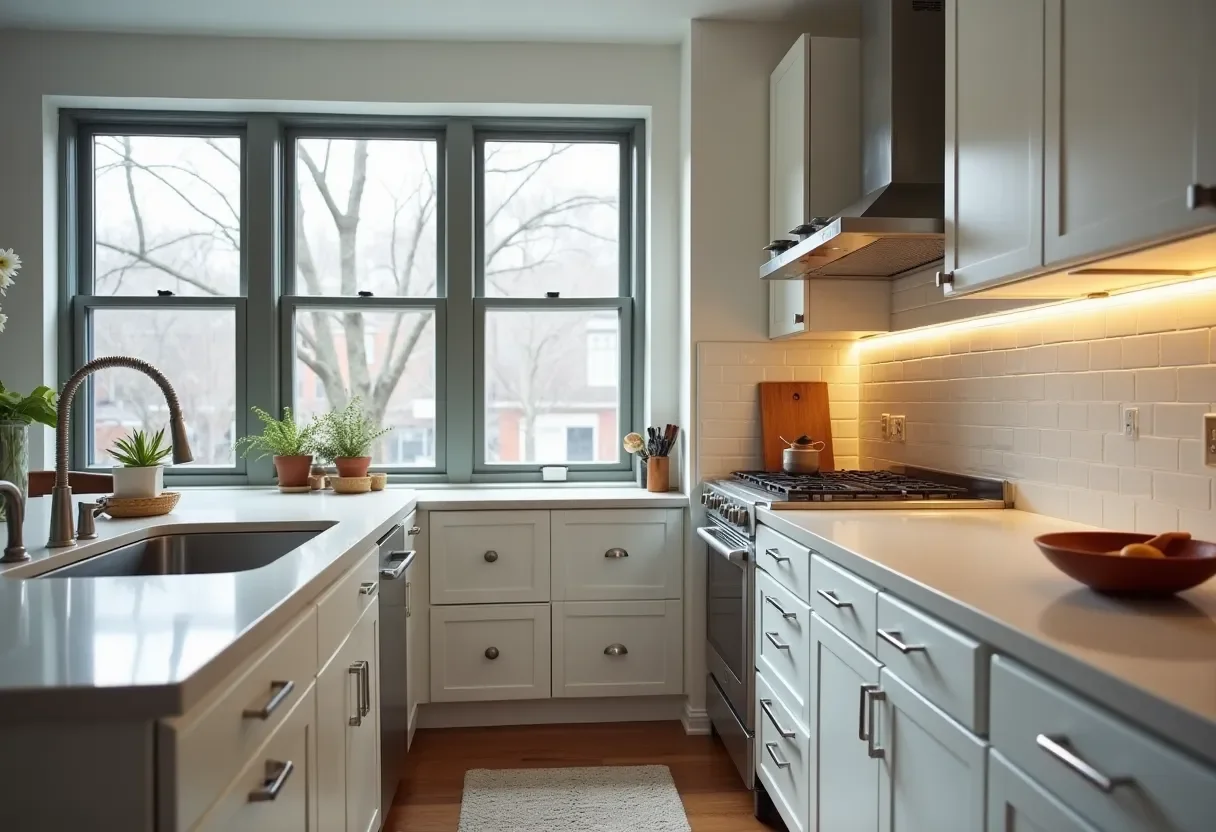
When you’re considering cabinet painting in Chicago, the real question hiding under all the Pinterest photos is simple: how long will this actually last before it chips, peels, or looks tired again? With a professional process and the right products, painted kitchen cabinets typically stay looking great for about 8–15 years before they need a full repaint. The exact lifespan depends on prep, paint quality, how hard you are on your kitchen, and how you care for the finish.
In Chicago, most people aren’t deciding between paint colors in a vacuum. They’re comparing cabinet painting to refacing or replacing, trying to figure out what gives them the most “new kitchen” feeling for their budget. This guide breaks down how long cabinet painting lasts, why some jobs fail in just a few years, and what to expect if you hire a pro for kitchen cabinet painting in Chicago.
Quick definitions: When we talk about “cabinet painting,” we mean cleaning, sanding, priming, and coating your existing cabinet boxes and doors with a cabinet-grade coating. “Refinishing” usually means stripping and re-staining wood. “Refacing” means keeping the boxes but installing new doors and veneers. Replacing is full new cabinetry.
Below, we’ll walk through realistic lifespan ranges, DIY vs pro differences, Chicago-specific wear and tear, and simple habits that can push your painted kitchen cabinets toward that 10+ year mark instead of 3–4.
Short Answer: How Long Does Cabinet Painting Last?
Most professionally painted kitchen cabinets last around 8–15 years before they need a full repaint, especially when high-quality prep and cabinet-grade enamels are used. Lighter-duty DIY work or budget painting can show noticeable wear in as little as 2–5 years, particularly on high-use doors and drawers. In busy Chicago kitchens, aim your expectations toward the middle of these ranges and assume minor touch-ups along the way.
Contractor and cabinetry sources like Rasmussen Custom Cabinetry note that well-prepped, professionally painted cabinets can stay in good shape for roughly 8–15 years with normal use and care, while lighter DIY jobs often need redoing in 2–5 years ([summary of industry estimates](https://rasmussencustomcabinetry.com/how-long-do-painted-cabinets-last/)). That aligns with what many painting contractors share in their own lifespan guides.
Here's a simple snapshot of how long cabinet paint tends to last by project type:
Quick DIY using wall paint lasts about 2 to 4 years. This usually means minimal prep with a brush or roller and standard wall or trim paint.
Budget painter, light prep lasts about 3 to 6 years. Expect some cleaning and sanding along with mid-grade products.
Cabinet painting specialist lasts about 8 to 15 years. This involves thorough degreasing, sanding, a bonding primer, cabinet enamel, and controlled spraying.
Factory-finished new cabinets last 15 years or more, thanks to industrial coatings that are baked or UV-cured.
In Chicago homes and condos, you also have seasonal swings: humid summers, dry winters with forced-air heat, and heavy indoor cooking in the colder months. Those conditions matter, which is why the next section digs into the main factors that make painted kitchen cabinets either last or fail early.
Main Factors That Make Painted Cabinets Last Longer (or Fail Early)
The lifespan of painted kitchen cabinets is mostly determined by prep, products, application, use, cleaning habits, and environment. When any of these pieces are weak, that’s when you see chipping, peeling, or shiny wear spots in just a few years. When all of them are strong, painted kitchen cabinets can comfortably live in that 8–15 year range.
Here are the biggest levers that affect how long cabinet painting in Chicago will really last:
Surface prep – Cabinets live in a cloud of grease, steam, and fingerprints. If degreasing and sanding are rushed, the paint sticks to residue instead of wood or previous coatings, making chips and peeling much more likely. Thorough cleaning and abrasion give the coating something solid to grip.
Primers and products – Using a bonding primer designed for glossy, previously finished wood is critical. Many pros pair a bonding primer with a cabinet-grade enamel or urethane enamel like the ones Sherwin-Williams promotes for high-wear kitchens ([example: Emerald Urethane Enamel overview](https://www.sherwin-williams.com/en-us/products/emerald-urethane-trim-enamel)). These coatings stay harder and more stain-resistant than wall paint.
Application method – Sprayed finishes tend to level smoother and cure more evenly than thick, hand-brushed coats. Multiple thin coats with proper dry time are far more durable than one heavy coat.
Kitchen use level – A downtown Chicago condo where someone cooks once or twice a week will treat cabinets very differently than a Lakeview family cooking two or three meals a day. More cooking means more heat, moisture, and constant opening and closing.
Cleaning and care – Gentle wiping with mild soap and water keeps grease from building up without scratching the finish. Harsh scrub pads and strong chemicals can dull or cut into the coating, shortening its life.
Chicago climate – Our humid summers and dry, heated winters make wood expand and contract. That movement stresses the paint, especially at corners and joints. Flexible, high-quality coatings and correct film thickness help the finish move with the wood instead of cracking.
When a Chicago cabinet painting project lines up all six of these factors, you’re in the best position for long-term durability and fewer surprises in those first critical years.
DIY vs Professional vs Factory Finish: Lifespan and Value Compared
DIY cabinet painting can be tempting, but there’s a big difference in durability between a weekend project, a budget paint job, a true cabinet painting specialist, and factory-finished new cabinets. Understanding the trade-offs helps you decide whether cabinet painting Chicago services are the right fit—or if refacing or replacing makes more sense for you.
Here’s a look at lifespan and value:
DIY cabinet painting
Approximate lifespan: 2 to 5 years. You'll likely see brush marks, more visible wear over time, and a higher risk of chipping. Cost level: $. Best for low-use kitchens, short-term plans, and very tight budgets.
Budget pro painting
Approximate lifespan: 3 to 7 years. The finish looks better than DIY, though prep and product shortcuts are common at this price point. Cost level: $$. Best for rental properties and a quick refresh before selling.
Cabinet painting specialist
Approximate lifespan: 8 to 15 years. Expect a smooth, sprayed finish using cabinet-grade coatings. Cost level: $$ to $$$. Best for long-term homes, busy family kitchens, and Chicago condos.
Factory-finished new cabinets
Approximate lifespan: 15 years or more. These use industrial, baked-on or UV-cured finishes. Cost level: $$$$. Best for full kitchen remodels and major layout changes.
DIY can make sense if you’re handy and just need your cabinets to look decent for a couple of years, like staging a condo to sell. A budget painter might be fine for a lower-traffic rental, where you expect to repaint periodically anyway.
If you’re planning to stay in your Chicago home or condo for a while and you cook regularly, professionally painted cabinets usually deliver the best balance of lifespan, look, and cost. You get a finish closer to a factory look without paying full replacement prices, and with quality prep and products, painted kitchen cabinets durability often covers the better part of a decade or more.
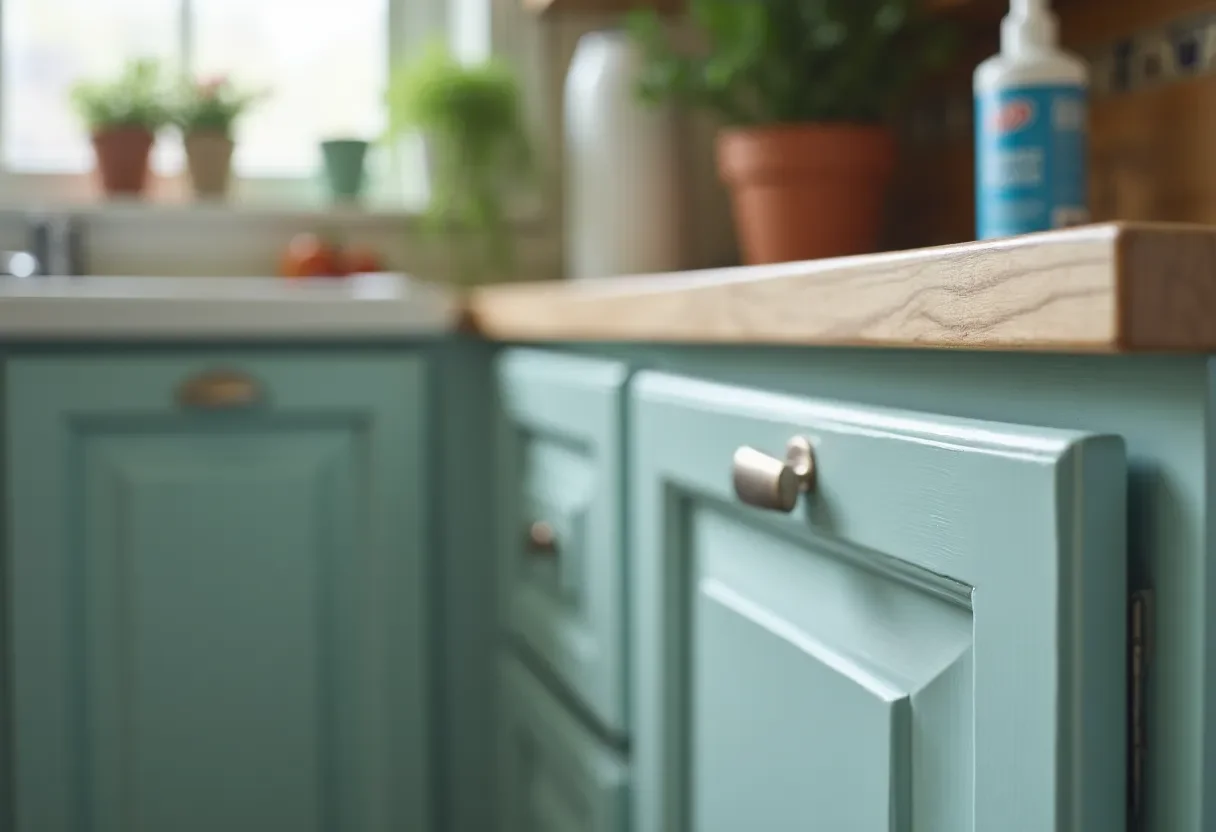
Where Painted Cabinets Wear Out First and How to Maintain Them
Painted cabinets almost never fail evenly. You won’t wake up one day to find every door chipped at the same time—instead, you’ll see wear appear first in the hardest-working spots. Knowing those zones, and how to care for them, is the key to stretching the life of cabinet painting in Chicago kitchens.
Common high-wear zones include:
The sink base cabinet (water drips, cleaning chemicals, constant opening)
Upper cabinets near the stove (steam, grease, heat)
Trash pull-outs and recycling drawers (lots of pulling with messy hands)
Handles and edges on your most-used doors and drawers
Inside edges of doors where fingernails catch the finish
Industry groups such as the Kitchen Cabinet Manufacturers Association (KCMA) test cabinet finishes by exposing them to heat, humidity, and common household substances—things like vinegar, ketchup, coffee, and 100-proof alcohol—to simulate years of real-world kitchen abuse ([KCMA performance testing overview](https://kcma.org/certifications/ansi-kcma-a1611)). While your painted cabinets may not be certified to that exact standard, it gives a sense of what “durable” really has to stand up to.
To help your painted kitchen cabinets last longer, build these simple habits into your routine:
Wipe spills and splatters quickly, especially around the sink and stove.
Clean gently with a soft cloth or sponge and mild dish soap, never abrasive pads.
Use knobs and pulls instead of grabbing door edges with your fingernails.
Run your hood fan while cooking to reduce steam and grease buildup.
Address small chips early with touch-up paint before moisture gets underneath.
With these habits, most Chicago homeowners only need occasional touch-ups in high-use spots every few years, even in a busy family kitchen, while the rest of the finish keeps looking sharp.
Is Cabinet Painting Worth It vs Refacing or Replacing in Chicago?
For many Chicago homeowners, cabinet painting delivers the biggest visual change for the least disruption and cost, especially when the cabinet boxes are structurally sound. You get a lighter, more modern kitchen without tearing out walls or sending tons of material to the landfill. The key question is whether the lifespan of painted cabinets justifies the investment compared to refacing or replacing.
National remodeling data has long shown that full kitchen remodels rarely return 100% of their cost when you sell, but minor kitchen updates like painting cabinets and updating hardware often have some of the best return-on-investment in the space ([example: Remodeling Magazine Cost vs. Value trends](https://www.remodeling.hw.net/cost-vs-value/)). When professionally done, cabinet painting often sits in that sweet spot: less expensive than new cabinets, but still a high-impact visual upgrade.
In Chicago specifically, cabinet painting is often a smart choice when:
Your cabinet layout works, and boxes are solid, but the finish is dated or mismatched.
You live in a condo, greystone, or bungalow where changing the layout would require permits, trades coordination, and more downtime.
You want a custom color—think deep navy, soft greige, or rich green—that might be hard to find in stock cabinet lines.
You’d rather invest in better countertops, lighting, or appliances than spend your full budget on new cabinets.
Compared to cabinet refinishing Chicago homeowners might choose for stained wood, painting opens up far more design options, especially if your existing wood is orange, red, or heavily grained. Compared to refacing, painting usually comes in at a lower cost while still delivering a “new kitchen” feel, as long as you’re happy with your current door style.
When planning cabinet painting Chicago projects, a realistic outlook is this: you’re investing in a finish that, with care, can easily carry you through the next 8–15 years, rather than something you’ll need to redo in three.
How Professional Cabinet Painting Maximizes Lifespan
What separates a cabinet painting Chicago specialist from a basic paint job is the process. A detailed, step-by-step approach is what nudges your cabinets toward that 10+ year durability range instead of peeling in a few winters.
A typical pro process to maximize painted kitchen cabinets durability looks like this:
On-site walk-through – Assess cabinet condition, previous finishes, and high-wear zones like sink bases and trash pull-outs. Talk through how you actually use your kitchen: daily cooking, kids, pets, rentals, or light entertaining.
Thorough cleaning and prep – Remove doors and drawers, label everything, then degrease, sand, and repair dings. This step is where durability is largely won or lost.
Bonding primer and sanding – Apply a high-adhesion bonding primer designed for slick cabinet surfaces. Once dry, sand again to smooth the surface and improve mechanical adhesion.
Cabinet-grade enamel or urethane coatings – Spray multiple thin coats of a durable enamel in your chosen color and sheen, allowing proper dry and cure time between coats. These coatings are engineered for high-traffic areas like kitchens and bathrooms.
Curing time and reassembly – Let the finish harden properly before reassembling doors and reinstalling hardware. A careful walk-through catches any tiny imperfections while everything is still on-site.
Imagine a busy family in Lakeview: daily cooking, kids grabbing snacks, and cabinets opened dozens of times a day. With this kind of process, they can reasonably expect 8–10 years before they’d consider a full repaint, with only small touch-ups on the sink base and trash pull-out every few years. That’s the kind of lifespan you want from kitchen cabinet painting Chicago projects, not something that looks tired after one long winter.
FAQs About Cabinet Painting Longevity in Chicago
How long do professionally painted cabinets last?
Professionally painted kitchen cabinets typically last around 8–15 years before they need a full repaint, assuming solid prep, cabinet-grade coatings, and normal care. Contractor and cabinetry sources like Rasmussen Custom Cabinetry group well-executed cabinet paint jobs in that same 8–15 year window, while quick DIY projects land much lower ([industry lifespan summary](https://rasmussencustomcabinetry.com/how-long-do-painted-cabinets-last/)).
In Chicago, where your cabinets face humid summers, dry winters, and a lot of indoor cooking time, you’ll likely land somewhere in the middle of that range. The more you cook and the busier your kitchen is, the more important professional prep and high-quality products become.
How often will I need to touch up painted cabinets?
Most homeowners only need minor touch-ups every few years, usually in a handful of high-use spots. Think: the sink base, trash pull-out, or the one drawer everyone grabs with their fingertips instead of the handle. The rest of the doors and drawer fronts often go many years without needing any attention.
If your cabinet painting Chicago project uses durable enamel coatings and you clean gently, touch-up frequency stays low. A small bottle of matching touch-up paint is usually enough to keep those high-wear areas looking fresh between full repaints.
Will painted cabinets chip in a busy family kitchen?
Even the best painted cabinets can get the occasional chip in a high-traffic, kid-and-dog Chicago kitchen, but a well-done finish should resist everyday wear and tear rather than flaking at the first bump. Chips usually show up where something strikes the cabinet edge hard—like a pan, toy, or vacuum—not from normal opening and closing.
Choosing cabinet-grade enamels, adding hardware (so hands don’t scrape the edges), and building a quick “wipe and dry” habit at the sink make a big difference. In practice, most busy households see a few small dings over many years, not widespread chipping across every door.
Is cabinet painting a good option for Chicago condos and small businesses?
Yes, cabinet painting is often an excellent option for Chicago condos, townhomes, and small commercial spaces like cafés or boutiques. It avoids major demolition, keeps noise and dust down in shared buildings, and still gives you a big visual upgrade.
For condos, cabinet painting Chicago services are especially helpful when you’re working within HOA rules, tighter elevators, and limited storage. For small businesses, a durable, easy-to-clean cabinet finish can refresh a customer-facing space without closing your doors for a full remodel—as long as you plan the schedule carefully and choose coatings that stand up to higher traffic.
Can you repaint painted cabinets later if I change colors?
Yes, you can repaint previously painted cabinets as long as the existing finish is sound—no widespread peeling, water damage, or failing substrate. The process is similar: clean, sand to dull the existing sheen, spot-prime any bare wood or repairs, then apply new cabinet-grade coatings in your updated color.
This flexibility is one of the reasons cabinet painting in Chicago is so popular. You can enjoy a crisp white kitchen today and, ten years from now, shift to a warmer greige or two-tone look without replacing your cabinets, as long as they’re structurally in good shape.
Bringing It All Together: Making Cabinet Painting Last in Your Chicago Home
Cabinet painting in Chicago, when done with serious prep and quality coatings, is not a quick, disposable fix. For most homeowners, it’s a long-term finish that can comfortably last 8–15 years with simple care and occasional touch-ups in the hardest-working spots.
If you’re weighing kitchen cabinet painting Chicago options against refacing or replacing, think about how long you plan to stay, how heavily you use your kitchen, and where you’d rather spend your remodel budget. For many Chicago condos, bungalows, and townhomes, painting solid existing cabinets unlocks a “new kitchen” feeling without the full remodel price tag—or the construction headache.
If you’re in the Chicago area and want cabinets that look like a full remodel but last like a long-term investment, consider scheduling a cabinet painting consultation. A thoughtful walkthrough of how you cook, clean, and live in your kitchen, paired with intentional color and the right finish system, is what pushes your painted cabinets into that upper lifespan range instead of the common 3–4 year disappointment.